SW1X rubbish removal tips for Knightsbridge flats on Sloane St
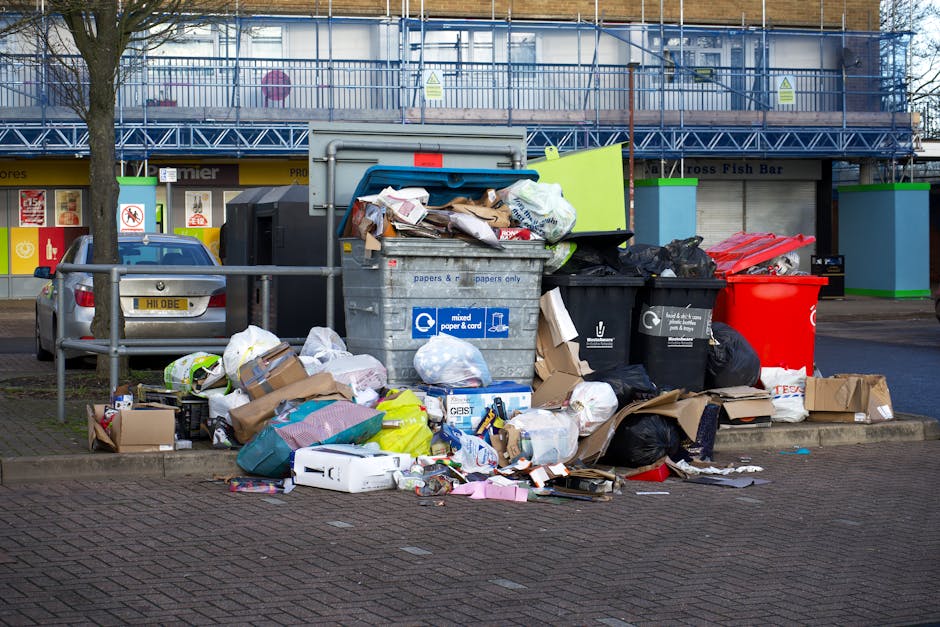
If you live in a Knightsbridge flat on Sloane St, rubbish removal can feel strangely complicated for something so ordinary. Bags are awkward in narrow hallways, lifts are busy, neighbours are close by, and the bin store is not always as generous as you hoped it would be. The good news? With the right approach, SW1X rubbish removal tips for Knightsbridge flats on Sloane St can save time, reduce stress, and help you avoid the usual last-minute scramble.
This guide is for anyone trying to clear household waste, bulky items, or flat contents in a way that is tidy, efficient, and sensible for central London living. We will look at how rubbish removal typically works in the area, what makes flat clearances different, where people slip up, and how to plan a smooth collection without creating hassle for yourself or the building. Truth be told, a little planning goes a long way here.
Why SW1X rubbish removal tips for Knightsbridge flats on Sloane St Matters
Rubbish removal in SW1X is not just about getting rid of things you no longer want. In a place like Knightsbridge, it is also about timing, access, presentation, and keeping the building calm for everyone else. Sloane St is a busy, prestigious part of London, but the practical reality inside many flats is much more ordinary: limited storage, shared entrances, tight stairwells, and management rules that do not always forgive a messy move.
That is why the details matter. If you leave bags in the wrong place, miss collection timing, or underestimate how long it takes to shift a sofa from a third-floor flat, the whole job can become more expensive and far more annoying. A good rubbish removal plan reduces double handling, protects communal areas, and helps you stay on good terms with building staff and neighbours. You would be surprised how often that matters more than the actual waste itself.
There is another reason this topic matters. Central London properties tend to have a mix of residents: long-term owners, tenants, short lets, pied-a-terre use, and occasional refurbishments. That means the type of waste changes a lot. One week it is a few bin bags and broken household items; the next, it is packaging, old furniture, and maybe builder's offcuts from a small flat upgrade. Each scenario needs a slightly different approach.
Expert summary: The best rubbish removal strategy for a Knightsbridge flat is the one that respects building access, keeps waste separated where needed, and matches the size of the job to the right method. In simple terms: plan first, move once, and avoid creating extra work for yourself.
How SW1X rubbish removal tips for Knightsbridge flats on Sloane St Works
Most rubbish removal in this part of London falls into one of three patterns. First, there is everyday household waste that needs to be moved responsibly and quickly. Second, there is bulky waste such as mattresses, wardrobes, chairs, or white goods. Third, there is clearance work, where a flat is being emptied, refreshed, or prepared for sale, tenancy change, or renovation.
For flats on or near Sloane St, the process usually starts with access. Can a truck stop nearby? Is there loading space? Is there lift access, or will everything need to be carried downstairs? Are there restrictions from the building, concierge, or managing agent? These questions are not glamorous, but they shape the whole job. Miss them, and you may find yourself carrying a heavy chest of drawers through a hallway at 8 a.m. while trying not to wake half the building. Not ideal.
From there, the waste is normally sorted into practical groups: general household rubbish, recyclable materials, reusable furniture, and any items that need special handling. If the clearance involves an entire flat, professionals will often work methodically room by room, starting with easy items and saving awkward pieces for last. That keeps the flat safer and easier to navigate.
Many residents also choose a hybrid approach. For example, you may handle smaller bags and recycling yourself while arranging a larger collection for bulky items or mixed waste. That can work well if you have time, but only if the building rules and access logistics are clear. If the lift is tiny and the stairwell turns sharply halfway down, self-moving a bulky item can quickly become a two-person job. Or three. Depending on the sofa and your optimism.
If you are comparing service types, the relevant choice is not just "cheap or expensive." It is "what can be removed safely, legally, and efficiently from this building?" That is a much better question.
Key Benefits and Practical Advantages
A well-planned rubbish removal process brings a few very real benefits. The first is obvious: your flat feels clearer, cleaner, and easier to use. But the practical gains go beyond tidiness. You reduce trip hazards, improve access in narrow rooms, and make future cleaning or decorating much easier.
Another benefit is time. In central London, time has a way of disappearing when you are dealing with bins, lifts, parking, and sorting. A clear plan saves repeated trips and awkward improvisation. You will also reduce stress on move day or refurbishment day, which is often the difference between a controlled morning and a slightly chaotic one.
There are also reputational benefits in a shared building. If you remove waste neatly, keep common areas clean, and avoid blocking entryways, you are simply being a better neighbour. That may sound small, but in Knightsbridge blocks, it matters. Building teams notice. So do residents.
Other practical advantages include:
- Better space management: easier access to storage, wardrobes, and living areas.
- Lower risk of damage: fewer scratched walls, dented doors, or scuffed floors.
- Cleaner sorting: reusable, recyclable, and general waste can be handled more sensibly.
- Smoother handovers: useful for landlords, tenants, and sellers preparing a flat.
- Less pressure on peak times: collections can be planned around building routines and traffic flow.
And yes, there is a psychological benefit too. Clearing rubbish from a flat in SW1X often feels like removing background noise from daily life. One less pile in the corner, one less bag by the door, one less thing nagging at you. It adds up.
Who This Is For and When It Makes Sense
This kind of advice is useful for a fairly broad group of people. Tenants often need it when moving out and trying to avoid deposit headaches. Owners use it when refreshing a flat, dealing with clutter, or clearing a second property. Letting agents and landlords need it when preparing units between occupiers. And if you are handling an inherited flat or a long-unused apartment, the need can be even more immediate.
It also makes sense if your building has limited bin access. A lot of SW1X flats do not have the sort of easy ground-floor waste storage you see in newer developments. Some properties have strict collection points, some have awkward loading restrictions, and some simply do not offer much room for bulky items. In those cases, trying to "just deal with it later" usually creates a bigger pile later. Funny how that works.
Here are a few common situations where a more organised rubbish removal approach is worth it:
- End of tenancy clear-outs
- Pre-sale decluttering before photography or viewings
- Post-refurbishment waste, packaging, and offcuts
- Furniture replacements in a compact flat
- Removal of mixed household clutter after a long occupancy
- Clearing a spare room, storage cupboard, or balcony area
If your waste is mostly lightweight and already bagged, you may only need a straightforward collection plan. If it includes bulky furniture, large boxes, or a mixture of items, a more structured clearance approach will usually be easier and safer.
For readers who are also dealing with broader flat contents, it may help to look at a dedicated flat clearance approach rather than treating every item as ordinary bin waste. Likewise, if the job expands beyond one room, home clearance can be the more sensible frame of reference.
Step-by-Step Guidance
Here is the cleanest way to approach rubbish removal in a Knightsbridge flat without overcomplicating it.
- Walk through the flat first. Do a full sweep of what needs to go. Do not just remove the obvious bag by the front door; check cupboards, under beds, utility spaces, and balconies.
- Separate the waste into simple groups. Keep general rubbish, recycling, reusable items, and bulky items apart where possible. This makes loading and disposal much easier.
- Check access constraints. Measure larger items, think about lift size, and consider whether the stair route is realistic. One item can change the whole plan.
- Identify fragile or awkward materials. Glass, mirrors, electronics, sharp metal edges, and loose fittings need extra care.
- Choose the right removal method. Small bagged waste may suit a straightforward collection, while larger clearances may need a more complete service.
- Prepare the route out of the flat. Clear hallways, protect corners where needed, and make the path as open as possible.
- Time the removal properly. Avoid busy building periods if you can. Early morning or mid-morning often works better than a chaotic late-afternoon squeeze.
- Confirm what happens to the waste. Ask how reusable and recyclable items are handled. A good operator should be able to explain the process plainly.
A small but useful habit: take photos of the items before removal if you need a record for a landlord, agent, or building manager. It is boring admin, yes, but later it can save a lot of back-and-forth. And when a removal involves several rooms, a photo trail helps everyone stay on the same page.
If you are dealing with mixed furniture and household contents, it can be helpful to use targeted services such as furniture clearance or, for items you no longer want but may still be reusable, furniture disposal. For heavier renovation-related material, builders waste clearance is often the better fit.
Expert Tips for Better Results
There are a few practical habits that make rubbish removal in SW1X noticeably easier. None of them are complicated, which is probably why people skip them. Then regret it. Then remember them next time.
1) Keep access in mind from the start
Do not sort the rubbish first and think about access later. In a Knightsbridge flat, access is part of the job, not an afterthought. If a wardrobe can only be moved by tilting it a certain way, that matters before you start dragging it into the hallway.
2) Use the flat's layout to your advantage
Some flats have a natural staging point near the entrance or in a spare room. Put items there before collection, if the layout allows. It reduces criss-crossing through the flat and makes loading more orderly. You will notice the difference within minutes.
3) Avoid overfilling bags
Heavy bin bags split. They do. Especially on stairs. Keep them manageable, particularly if the route includes turns, carpets, or polished surfaces. A slightly lighter bag is much easier to carry safely than one heroic mega-bag that explodes halfway down.
4) Think in categories, not piles
A pile looks simpler, but categories are better. Recyclables together, soft items together, bulky furniture together, and anything sharp or breakable handled separately. This helps both removal and disposal.
5) Protect the building as well as the flat
In shared properties, the route matters almost as much as the waste itself. Use blankets, corner protection, or simple wrapping where needed. Clean up dust, splinters, and packaging as you go. It keeps the whole process respectful.
6) Ask about sustainability where relevant
Some items can be reused, repurposed, or separated for recycling. If you care about reducing landfill pressure, it is worth asking how the service handles different waste streams. A good provider should have a straightforward explanation. You do not need a lecture, just a clear answer.
For readers who want to think a bit more carefully about disposal routes, the site's recycling and sustainability information is a sensible place to start. It is often the difference between "job done" and "job done properly."
Common Mistakes to Avoid
Most rubbish removal headaches in Knightsbridge flats come from a handful of predictable mistakes. Fortunately, they are also easy to avoid once you know them.
- Leaving sorting until the last minute: this is how mixed waste becomes a bigger, messier job.
- Ignoring building rules: some properties care a great deal about loading times, lift use, and common-area protection.
- Underestimating bulky items: one sofa can require more planning than ten bags.
- Assuming everything can go together: not all waste is handled the same way, especially with furniture, electricals, or renovation debris.
- Blocking entrances or corridors: this is disruptive and can create avoidable tension in the building.
- Forgetting hidden waste: cupboards, loft-style storage, and balcony corners often hide more than you think.
- Not checking loading access: central London access is not always as forgiving as people hope.
A common one is trying to tackle the whole flat in a single sweep without staging the work. It sounds efficient. Usually it is not. Better to clear room by room, keep the route open, and stop once the job starts getting rushed.
Another subtle mistake is failing to match the service to the waste type. For example, a small domestic rubbish job and an office or business clearance are not identical. If the flat is also being used for work, or you are clearing equipment and paperwork, a dedicated business waste removal or office clearance approach may be more appropriate.
Tools, Resources and Recommendations
You do not need a van full of equipment to manage rubbish removal well, but a few practical tools make life easier. Strong bags, gloves, a trolley for heavier items, tape, labels, and a basic measuring tape are the essentials. If the flat has a long corridor or awkward corners, furniture sliders or protective blankets can be useful too.
For a more organised job, it helps to use simple notes on your phone: what stays, what goes, what needs recycling, what needs careful handling, and what must be removed first. It sounds almost too simple, but it prevents the classic "hang on, where did that box come from?" moment. We have all had one of those.
Here are a few recommendations that are genuinely useful in this setting:
- Use reusable containers for sorting small loose items before disposal.
- Label rooms or categories if several people are helping.
- Keep a clear path from the flat to the exit the day before collection.
- Measure large furniture against doorways and lift openings before committing to removal.
- Set aside documents and valuables before any clearance begins.
If the job is likely to include awkward furniture, house clearance can sometimes be a useful reference point even for flats, especially where there is a fuller contents clear-out. For storage-heavy spaces, loft clearance or garage clearance pages may also help you think through the kind of items involved.
Law, Compliance, Standards, or Best Practice
When rubbish is removed from a flat in Knightsbridge, it should be handled in line with normal UK waste best practice. That means waste should be transferred to an appropriate, licensed route, not dumped, fly-tipped, or treated casually because the job is "only a few bags." The legal responsibility for waste can still matter even when the collection is small.
If you are arranging removal, it is sensible to ask basic questions about how the waste will be handled, whether items are sorted, and whether the provider follows health and safety procedures. You do not need to become a compliance expert. But you should expect clear answers. A professional service should be able to explain its process in plain English, without theatrics.
In shared buildings, best practice also includes:
- keeping access routes safe and unobstructed
- protecting walls, lifts, and floors where needed
- avoiding noisy or disruptive movement at unsuitable times
- being careful with sharp, heavy, or dusty items
- separating items that may need different handling
For peace of mind, it is worth reviewing general company policies around health and safety and insurance and safety. If you are comparing providers, those details tell you a lot about how seriously a service takes its responsibilities. The paperwork is not the exciting part, admittedly, but it matters.
On the customer side, if you are requesting a quote or making payment, the pricing and quotes and payment and security pages can help clarify what to expect. That kind of transparency is a good sign.
Options, Methods, or Comparison Table
There is more than one way to deal with rubbish from a Knightsbridge flat. The right option depends on volume, item type, urgency, and access. Here is a straightforward comparison.
| Method | Best for | Pros | Watch-outs |
|---|---|---|---|
| Self-removal in small loads | Light household waste, a few bags, small recycling jobs | Low cost, simple, flexible | Time-consuming, physically tiring, awkward if parking or lifts are limited |
| Bulky-item collection | Sofas, mattresses, wardrobes, large single items | More efficient for big pieces, less strain on you | Needs access planning; not ideal for mixed clutter |
| Flat or home clearance | Multiple rooms, move-outs, inheritance clearances, full refreshes | Most organised for larger jobs, less stress, faster overall | Requires a proper walkthrough and clear instructions |
| Builders waste clearance | DIY debris, plasterboard offcuts, packaging, renovation waste | Better suited to mixed refurbishment rubbish | Should not be confused with general household rubbish |
If the waste is mostly domestic and furniture-based, a combination of household removal and furniture clearance may be enough. If the flat is being emptied after a tenant leaves or before a sale, a broader flat clearance is often the cleaner solution. No pun intended. Well, maybe a little one.
For outdoor items or overflow from balconies and shared external areas, the nature of the job can shift again. In those cases, it is still better to think clearly about item type and route than to force everything into one category.
Case Study or Real-World Example
Imagine a typical Knightsbridge flat on Sloane St after a long tenancy. The tenant is moving out at short notice. There are six bags of household waste, a broken desk chair, a small shelving unit, several boxes of packaging, and a mattress protector that has somehow ended up in the wardrobe instead of the laundry basket. Nothing dramatic. Just one of those "why is this still here?" situations.
The smart approach is not to start with the biggest item. First, the loose rubbish is grouped and bagged. Then the packaging is flattened. The shelving unit is checked to see whether it can be broken down safely. The mattress protector is separated from reusable bedding. A route is cleared from the bedroom to the entrance, and the building lift is used carefully, with any floor or wall contact avoided. Small things, but they keep the process calm.
Now compare that to a rushed version. Bags are left in the hallway. The chair catches on the door frame. Someone decides the shelving unit can be "just carried down as is." The lift is blocked for longer than planned. Tempers rise a bit. The building staff get involved. Nobody is thrilled. Same rubbish, different outcome.
That is really the point of good rubbish removal advice. It is not glamorous, but it saves friction. It protects the flat, the building, and your own energy. And in a high-value area like Knightsbridge, that matters more than people often admit.
Practical Checklist
Use this checklist before any rubbish removal from a SW1X flat on or near Sloane St.
- Have you checked every room, cupboard, and storage space?
- Are all items sorted into rubbish, recycling, reusable, and bulky categories?
- Have you measured large items against doors, stairwells, and the lift?
- Do you know whether the building has access or timing restrictions?
- Have you protected floors, walls, and corners where needed?
- Are any items sharp, fragile, heavy, or awkward to carry?
- Have valuables, documents, and personal items been removed first?
- Do you know what will happen to the waste after collection?
- Is the route from the flat to the exit clear?
- Have you chosen the right removal method for the type of waste?
If you can tick most of those off, the job will usually feel much easier. A little preparation goes a long way, honestly.
Conclusion
SW1X rubbish removal tips for Knightsbridge flats on Sloane St come down to a few simple truths: know your waste, plan your access, respect the building, and choose the right method for the job. In a busy central London setting, that combination makes a real difference. It keeps things tidy, avoids unnecessary stress, and helps the clearance go the way it should.
Whether you are dealing with a few bags, a stubborn sofa, or a full flat clear-out, the best results usually come from calm preparation rather than a frantic last-minute push. And if the job feels bigger than you first thought, that is normal. Flats can hide a surprising amount of stuff. Always have a second look.
If you want to compare options or plan the next step with more clarity, exploring service details, safety information, and pricing guidance is a sensible move before booking anything.
Get a free quote today and see how much you can save.
Clear the space, breathe a little easier, and let the flat feel like yours again.
Frequently Asked Questions
What is the best way to handle rubbish removal in a Knightsbridge flat?
The best approach is usually to sort items first, check access, and match the removal method to the waste type. Small bagged waste, bulky furniture, and full flat clearances each need a slightly different plan.
How do I remove bulky items from a flat on Sloane St?
Measure the item before you move it, check lift and stair access, and clear the route first. If the item is heavy or awkward, a planned bulky-item collection is usually safer than trying to improvise.
Can I put all my rubbish out together?
Not always. Mixing general rubbish, recyclables, furniture, and renovation waste can create problems. It is better to separate items where possible so they can be handled correctly.
What if my building has strict access rules?
That is common in Knightsbridge. The key is to plan around those rules rather than fight them. Confirm loading times, lift use, and common-area expectations before the removal starts.
Is flat clearance different from rubbish removal?
Yes. Rubbish removal often means collecting waste or bulky items, while flat clearance usually involves a fuller emptying of rooms or an entire property. For larger jobs, flat clearance is often the better fit.
What should I do with furniture I no longer want?
Check whether it can be reused, broken down safely, or removed through a furniture-specific service. If it is damaged or too large to manage alone, furniture clearance is often the practical route.
How do I avoid damaging the building during removal?
Protect floors and corners where needed, keep routes clear, and avoid dragging heavy items. Slow and steady is boring, but it is usually the safest way to go.
Can rubbish removal be arranged for a last-minute move-out?
Often, yes, but it depends on access and the amount of waste. Short-notice jobs are easier when the flat is already sorted and the item list is clear.
What happens to my waste after collection?
That depends on the provider and the type of waste. In general, items should be handled through appropriate disposal, recycling, or reuse routes where possible.
Do I need to separate recycling myself?
It helps if you can. Even a basic split between general waste and recyclables makes the job easier and can support better disposal outcomes. If you cannot separate everything, say so up front.
How can I make rubbish removal less stressful?
Start early, keep the route clear, and make decisions item by item rather than pile by pile. A tidy plan feels calmer almost immediately. It really does.
Who is rubbish removal in SW1X usually for?
It is useful for tenants, landlords, owners, agents, and anyone dealing with clutter, move-outs, refurbishments, or bulky items in a flat. In a compact London property, it tends to become relevant sooner than you think.