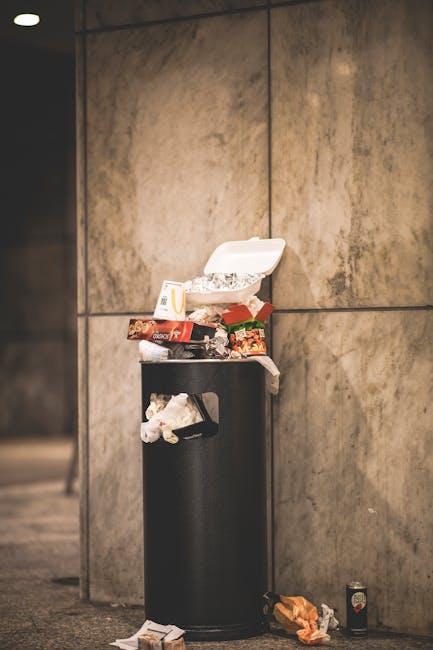
RBKC rubbish rules: what Knightsbridge residents must avoid
If you live in Knightsbridge, rubbish disposal can feel oddly high-stakes. One wrong bag in the wrong place, a missed collection day, or a bulky item left out at the wrong time can create complaints, fines, or just a very awkward morning on the pavement. This guide on RBKC rubbish rules: what Knightsbridge residents must avoid breaks down the practical do's and don'ts in plain English, so you can avoid the common traps and keep your waste handling tidy, lawful, and neighbour-friendly.
Truth be told, most problems are not dramatic. They're little mistakes that pile up: overfilled bins, loose recycling, food waste in the wrong container, or furniture left outside because "someone will take it." Sometimes they do. Usually, not. Below you'll find the main things to avoid, how the process generally works, and what a sensible, compliant approach looks like in everyday Knightsbridge life.
Quick takeaway: avoid mixing waste types, leaving items out at the wrong time, blocking pavements, assuming black bags count as proper disposal, and dumping anything hazardous or bulky without checking the right route first.
Table of contents
- Why this matters in Knightsbridge
- How RBKC rubbish rules work in practice
- Key benefits of getting it right
- Who needs this guidance
- Step-by-step guidance
- Expert tips for cleaner, safer disposal
- Common mistakes to avoid
- Tools, resources and recommendations
- Law, compliance and best practice
- Options and comparison table
- Real-world example
- Practical checklist
- Conclusion
- Frequently asked questions
Why RBKC rubbish rules: what Knightsbridge residents must avoid Matters
In Knightsbridge, space is tight, footfall is high, and streets can look immaculate one minute and cluttered the next. That means rubbish is not just a private issue between you and your bin. It affects neighbours, cleaners, building managers, and the overall feel of the street. A small pile of waste outside a terrace or flat entrance can quickly become an eyesore. And if it attracts vermin or blocks access, the problem gets bigger fast.
The main reason to pay attention is simple: council and building rules are designed to keep waste safe, contained, and collected properly. If you miss the mark, you may end up with missed collections, repeated complaints, or having to haul everything back inside. Nobody enjoys that, especially on a wet London morning when the bags have split and the smell is already making itself known.
There is also a practical side. Good rubbish habits save time, reduce contamination in recycling, and make bulky clearances easier to plan. If you are clearing a flat, replacing furniture, or dealing with renovation debris, the wrong disposal choice can create extra cost and hassle. That is why avoiding the common mistakes matters as much as knowing the rules themselves.
For many households, waste handling is also linked to shared responsibility. In a block of flats, one resident's mistake can affect everyone's collection area. In that setting, a bit of care goes a long way. No one wants to be the person whose bag tore open and left tea bags, packaging, and a mysterious spoon across the landing.
How RBKC rubbish rules: what Knightsbridge residents must avoid Works
The exact arrangements can vary by property type, block rules, and collection setup, but the logic is usually the same: separate waste correctly, present it properly, and avoid anything that creates risk or contamination. That sounds obvious, yet in practice it is where most mistakes happen.
Think of it as three layers. First, there is everyday household waste. Second, there is recycling and food waste, which need to stay clean enough to be accepted. Third, there is everything else: bulky waste, electricals, builders' debris, garden waste, and items that need special handling. Put the wrong thing in the wrong stream and the whole system becomes less efficient.
Residents often trip up when they assume "rubbish is rubbish." Not quite. A broken chair, an old mattress, plasterboard, paint tins, or a bag of mixed renovation offcuts are not the same as standard household waste. If you are doing a house clearance or flat clearance, the safest route is to sort items before they leave the property. That saves time and avoids a chaotic pile on the pavement.
It also matters how and when items are put out. Bags left too early can cause obstruction, especially in narrow streets or shared entrances. Loose items can be scattered by wind or rain. To be fair, Knightsbridge weather is not always dramatic, but even a short gust can turn light packaging into street litter.
What residents should avoid most often
- Mixing recycling with food waste or general rubbish
- Leaving bags outside at the wrong time or on the wrong day
- Blocking pavements, doors, or shared access routes
- Dumping mattresses, furniture, or appliances as if they were regular bags
- Putting hazardous items in ordinary bins
- Assuming builders' rubble can go with household rubbish
- Forgetting that shared-bin areas need extra care and tidiness
Key Benefits and Practical Advantages
Getting rubbish handling right is not just about avoiding trouble. It makes daily life easier, and in a place like Knightsbridge that matters more than people realise. The benefits are practical and immediate.
First, you reduce the chance of missed or refused collections. If your waste is sorted and presented properly, collectors can do their job without delays. Second, your building stays cleaner. Shared entryways, courtyards, and bin stores are far less likely to smell or attract pests. Third, you protect relationships with neighbours and managing agents. A calm, tidy approach is usually appreciated, even if nobody says so out loud.
There is also a commercial benefit for landlords, agents, and local businesses. If you manage waste consistently, you spend less time dealing with complaints and repeat clean-ups. For offices and mixed-use premises, using a clear process alongside business waste removal or office clearance helps keep operations moving without the messy middle ground.
And honestly, there is a peace-of-mind factor. When you know what not to do, every disposal decision gets simpler. You look at the item, ask a few quick questions, and move on. That kind of certainty is underrated.
Who This Is For and When It Makes Sense
This guidance is for anyone in Knightsbridge who handles household, shared-building, commercial, or clearance waste. That includes long-term residents, tenants, landlords, letting agents, property managers, business owners, and anyone doing a one-off clear-out.
It is especially useful if you are:
- moving out of a flat and sorting belongings quickly
- clearing old furniture before delivery of new items
- renovating a kitchen, bathroom, or office space
- emptying a loft, garage, or storage room
- dealing with garden cuttings, broken equipment, or mixed waste
- trying to avoid overloading a shared bin store
If you are in a smaller property, the challenge is usually volume. If you are in a larger home or managing a building, it is often coordination. Either way, rubbish rules become relevant the moment waste starts exceeding ordinary bin-space. That is where people sometimes get stuck: they know the item needs to go, but not the right route for sending it away.
For furniture, white goods, and other bulky items, dedicated services such as furniture disposal or furniture clearance can be much cleaner than trying to squeeze things into standard collection routines. In a compact city neighbourhood, that difference is huge.
Step-by-Step Guidance
Here is a straightforward way to avoid the most common RBKC rubbish mistakes without turning the whole thing into a project. It really can be that simple, most of the time.
- Identify the waste type. Is it general household rubbish, recycling, food waste, bulky furniture, garden waste, or construction debris?
- Separate it at source. Keep materials apart instead of mixing them into one grab-bag. Mixed waste is where errors start.
- Check the container or collection method. Use the correct bin, bag, or arranged pickup route for the item.
- Prepare the item safely. Flatten cardboard, secure sharp edges, and remove loose contents where appropriate.
- Avoid early placement. Put waste out only when it is meant to be collected or when your arranged clearance is due.
- Keep access clear. Do not block doors, stairwells, bin stores, pavements, or emergency access.
- Handle special items separately. Electricals, paint, chemicals, and building waste need more care than standard rubbish.
- Review the final load. Before anything leaves the property, do one last check for contamination or prohibited items.
That final check is the one many people skip. You are tired, the bag is heavy, and you just want it gone. But those last 30 seconds can save a lot of hassle later. A missing battery, an open tin of paint, or a hidden sharp item is enough to turn a simple disposal into a problem.
Expert Tips for Better Results
The best waste handling is usually invisible. It looks boring, neat, and uneventful. That is the point. If you want smoother results, a few habits go a long way.
- Use a staging area indoors. Keep items grouped before moving them out. It reduces last-minute mix-ups.
- Break down bulky items where safe. Flat-pack boxes, disassembled shelving, and separated cushions are easier to handle.
- Keep wet and dry waste apart. A soggy bag of mixed rubbish is harder to manage and more likely to cause smells.
- Watch for hidden hazards. Old batteries, glass, blades, and chemicals tend to hide in drawers, garages, and lofts.
- Plan around building routines. In shared properties, coordinate with concierge or building management before placing anything out.
- Book a proper clearance for odd loads. If the pile includes mixed items from a move, renovation, or office refresh, a structured clearance service is often simpler than piecemeal disposal.
If you are sorting through a loft, garage, or garden space, it is worth slowing down rather than rushing. Those areas are where people rediscover old paint tins, rusty tools, and half-used products they forgot existed. A slightly awkward afternoon now is better than an awkward disposal issue later.
Where safety and handling matter, look for service pages that explain the work clearly, such as loft clearance, garage clearance, and garden clearance. These are useful when the job is bigger than the regular bins can handle.
Common Mistakes to Avoid
This is the section that saves people the most grief. In practice, the same mistakes keep cropping up, and they are usually avoidable with a bit of attention.
- Putting out rubbish too early. Bags sitting outside overnight can spill, get damaged, or be moved by passers-by.
- Ignoring contamination rules. One greasy pizza box can spoil a recycling bag. Small thing, big impact.
- Leaving loose items in shared spaces. Hallways, landings, and bin stores need to stay clear and safe.
- Mixing builders' waste with household waste. Bricks, plaster, timber offcuts, and rubble need a separate approach.
- Using the street as temporary storage. If it looks like a dump, neighbours will notice. So will the council.
- Forgetting safety with sharp or heavy items. A cracked mirror or broken furniture frame can cause injuries if it is not packed properly.
- Assuming one-size-fits-all disposal. It almost never does. Different waste streams exist for a reason.
One small but common example: someone clears a cupboard and finds old batteries, cleaning chemicals, and a few bent tools. They put everything into one bag because it seems easier. It is not. That bag needs unpacking later, and that means extra time and extra risk. A tiny bit of sorting avoids the whole mess.
Tools, Resources and Recommendations
You do not need fancy equipment to manage rubbish well, but a few simple tools make the job easier.
- Sturdy reusable sacks or boxes for sorting items before disposal
- Labels or sticky notes to separate recycling, general waste, and items for clearance
- Gloves for lofts, garages, gardens, and mixed clear-outs
- Furniture sliders or a trolley for moving bulky items without damaging floors
- Mask and eye protection when dealing with dusty spaces or renovation debris
- Checklists for moves, decluttering, and tenant handovers
If you are comparing disposal routes, it helps to think in terms of effort, speed, and cleanliness. Standard bins are best for small, routine waste. Clearance services are better when the load is bulky, mixed, or time-sensitive. For example, a small amount of domestic waste might be fine with ordinary collections, but a full flat refresh often suits home clearance or house clearance.
For residents who want to understand responsible disposal choices more broadly, the site's recycling and sustainability page is a useful companion. It helps frame waste decisions around reuse, recycling, and sensible disposal rather than just "getting rid of it."
Law, Compliance, Standards, or Best Practice
Waste handling in London is shaped by general legal duties around safe disposal, nuisance prevention, and proper waste transfer. That does not mean every household needs to memorise regulations. But it does mean you should treat waste seriously, especially if you are disposing of items on behalf of a landlord, tenant, or business.
Best practice usually means the following: waste should be kept contained, stored safely, collected or removed through a suitable route, and handled by people who understand the risks involved. Hazardous items should not be mixed into normal rubbish. Builders' waste should not be disguised as household bags. Shared access routes should stay clear. These are not dramatic rules; they are common-sense standards that protect people and property.
If you are arranging a private clearance, it is sensible to work with a provider that explains safety, insurance, and handling clearly. Pages such as insurance and safety and health and safety policy help show how a responsible operator thinks about risk. That reassurance matters when you are dealing with furniture, heavy lifting, or mixed waste from a larger property clean-out.
There is also a basic trust issue. If someone offers to remove rubbish quickly but leaves you unsure where it goes, that is not a great sign. A transparent, lawful approach is always better, even if it takes a little more thought upfront.
Options, Methods, or Comparison Table
Different waste situations call for different methods. Here is a simple comparison that may help you decide what to avoid and what to use instead.
| Waste situation | Best approach | What to avoid | Why it matters |
|---|---|---|---|
| Daily household rubbish | Use the correct domestic bin or collection route | Mixing with recycling or putting out too early | Prevents contamination and missed collections |
| Bulky furniture | Arrange furniture disposal or clearance | Leaving sofas, beds, or wardrobes on the street | Reduces obstruction and keeps shared areas tidy |
| Flat move-out | Use a planned flat clearance | Last-minute dumping in communal areas | Helps with access, timing, and building rules |
| Garden tidy-up | Use a suitable garden waste route | Mixing green waste with general rubbish | Improves sorting and disposal efficiency |
| Renovation debris | Use builders' waste clearance | Putting rubble or plasterboard with domestic bags | Avoids unsafe loads and collection issues |
| Office or commercial move | Use business waste removal or office clearance | Dumping mixed items in public or shared spaces | Keeps operations compliant and organised |
In short, the more awkward or bulky the waste, the less suitable the ordinary bin becomes. That is not a criticism of the bin. It is just the wrong tool for the job.
Case Study or Real-World Example
Here is a typical Knightsbridge scenario. A resident is moving out of a flat and has a small mountain of mixed belongings: a broken dining chair, folded cardboard, an old lamp, a few bags of clothing, and some general waste from the final clean. The temptation is to put everything outside in one go and hope for the best.
Instead, the better approach is to sort first. The cardboard is flattened and recycled where appropriate. Clothing goes aside for reuse or separate disposal. The lamp is checked for electrical handling needs. The chair is earmarked for a furniture route. The general waste is bagged properly. Nothing is left in the shared hallway longer than needed.
The result is calmer, cleaner, and far less stressful. The resident avoids complaints from neighbours, the building entrance stays clear, and the move-out feels manageable rather than chaotic. It is not glamorous, but it works. And when you are balancing keys, movers, and final meter readings, calm is worth its weight in gold.
Practical Checklist
Use this before anything leaves your home, flat, or business premises.
- Have I identified the waste type correctly?
- Have I separated recycling, general waste, and special items?
- Is anything hazardous, sharp, or heavy enough to need special care?
- Am I leaving anything in a shared hallway, pavement, or bin store?
- Do I know whether this needs standard collection or a clearance service?
- Have I removed liquids, batteries, or loose contents where needed?
- Is the access route clear for neighbours, staff, or collection crews?
- Have I checked timing so items are not left out too early?
- Does the final load look tidy, safe, and contained?
- If the job is larger, would a planned clearance save time and stress?
A quick checklist like this sounds basic, but it catches the errors people make when they are rushed. That is usually when rubbish rules get ignored. Not out of bad intent. Just because life is busy.
If your clearance is more than a few bags, you may also want to compare services and costs in advance through pricing and quotes. It helps you plan properly instead of guessing in the middle of the job.
Get a free quote today and see how much you can save.
Conclusion
RBKC rubbish rules are easiest to follow when you focus on what to avoid: mixed waste, early dumping, blocked access, unsafe items, and assumptions that bulky or special rubbish can be treated like everyday bags. Once you clear those habits away, the whole process becomes much less stressful.
In Knightsbridge, good waste practice is really about respect - for your building, your street, and the people who share them. A bit of sorting, a bit of timing, and a bit of judgement go a long way. And if the job is bigger than expected, that is perfectly normal. Many clear-outs start with "just a few items" and end with a very different reality. Happens all the time.
Take it one step at a time, keep things contained, and choose the right disposal route for the job in front of you. That is the easiest way to stay compliant and keep life pleasantly uneventful, which is often exactly what you want.
Frequently Asked Questions
What are the main RBKC rubbish rules Knightsbridge residents should avoid breaking?
The biggest mistakes are putting out rubbish too early, mixing waste types, blocking access with bags or items, and leaving bulky waste where it can cause nuisance. The safest approach is to sort waste properly and use the right route for each item.
Can I leave furniture outside my Knightsbridge flat for collection?
Only if it is arranged properly and allowed by your building or collection setup. Leaving furniture on the pavement without a plan can create obstruction and complaints. For larger pieces, a dedicated furniture disposal route is usually smarter.
What happens if I put recycling in the wrong bin?
Contaminated recycling can be rejected, which means the load may not be collected as intended. In shared buildings, it can also affect other residents. Small contamination mistakes are common, but they are still best avoided.
Can builders' waste go in normal household bins?
No, it should not. Rubble, plasterboard, timber offcuts, and similar materials need a suitable builders' waste route. Household bins are not designed for construction debris, and mixing the two can cause serious collection problems.
Is it okay to put rubbish out the night before collection?
That depends on the specific collection arrangement and local expectations, but putting waste out too early is a common mistake. It can lead to litter, complaints, and blocked pavements. If in doubt, keep it inside until the correct time.
What should I do with old batteries, paint, or chemical products?
Do not mix them with general rubbish. These items can need separate handling because they may be hazardous or damaging to other waste streams. Keep them apart and treat them as special items from the start.
How do I avoid problems in a shared bin area?
Keep waste contained, label anything unclear, and never leave loose items in the bin store or hallway. Shared areas need extra discipline, because one careless bag can affect everyone using the space.
Are bulky items always a problem in Knightsbridge?
Not if they are handled correctly. The problem is usually not the item itself but the way it is left out. A planned clearance, proper timing, and safe lifting make bulky disposal far easier.
When does it make sense to book a clearance service instead of using normal bins?
It makes sense when the load is bulky, mixed, time-sensitive, or too large for standard collection methods. That often applies to moves, refurbishments, garage clear-outs, loft jobs, and full property resets.
What is the best way to prepare waste before removal?
Sort it by type, keep it dry where possible, remove obvious hazards, flatten packaging, and make sure access routes are clear. A tidy load is quicker to remove and less likely to cause issues.
Can I get rid of office waste the same way as home rubbish?
Usually not. Business waste often needs a separate process, especially if it includes furniture, files, equipment, or mixed office items. A dedicated business waste removal or office clearance route is usually the cleaner choice.
Who should I contact if I need help with a larger rubbish clearance?
If the job is more than a few bags or includes bulky items, it helps to speak with a clearance provider that understands local handling, safety, and disposal needs. For straightforward next steps, you can also use the site's contact page to ask about the right option for your load.
Need a simple, compliant way to deal with awkward waste in Knightsbridge? Start with sorting, avoid the common mistakes above, and choose the right clearance route for the job. It saves hassle, and a quiet, tidy street is never a bad thing.