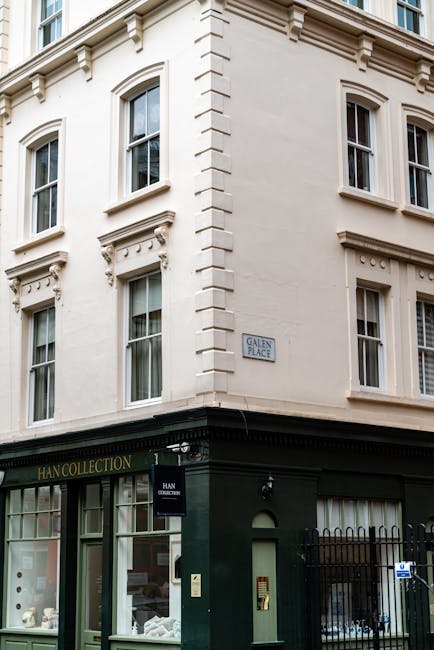
Hans Place bulky waste collection for SW1X townhouse clearouts
If you are planning a townhouse clearout in SW1X, the bulky items are usually the part that turns a tidy plan into a logistical headache. Sofas that will not fit through the hall. Wardrobes that seemed light enough until you tried to move them. Old mattresses, broken office chairs, awkward mirrors, and the one cupboard that somehow weighs a tonne. Hans Place bulky waste collection for SW1X townhouse clearouts is about dealing with that mess efficiently, without upsetting neighbours, blocking pavements, or spending your Saturday wrestling with flat-packed regret.
This guide walks through how bulky waste collection works in practice, what makes townhouse clearouts a little trickier in this part of London, and how to choose the right approach for speed, safety, and value. You will also find a checklist, a comparison table, and practical advice on compliance and best practice. No fluff. Just the sort of detail that helps when the clock is ticking and the hallway is full.
Table of Contents
- Why Hans Place bulky waste collection for SW1X townhouse clearouts Matters
- How Hans Place bulky waste collection for SW1X townhouse clearouts Works
- Key Benefits and Practical Advantages
- Who This Is For and When It Makes Sense
- Step-by-Step Guidance
- Expert Tips for Better Results
- Common Mistakes to Avoid
- Tools, Resources and Recommendations
- Law, Compliance, Standards, or Best Practice
- Options, Methods, or Comparison Table
- Case Study or Real-World Example
- Practical Checklist
- Conclusion
- Frequently Asked Questions
Why Hans Place bulky waste collection for SW1X townhouse clearouts Matters
Townhouses in and around Hans Place tend to come with a few realities that apartment clearouts do not always have. There may be multiple floors, narrow internal stairs, limited on-street loading space, and neighbours who notice everything. One missed detail can ripple through the whole job. A sofa that looks simple to remove can suddenly become a three-person carry. A pile of mixed junk can take twice as long to sort if it is not separated properly. And if bulky waste is left in the wrong place at the wrong time, it can quickly become a nuisance.
That is why proper bulky waste collection matters. It is not just about "getting rid of stuff". It is about removing large items in a controlled way, with a plan for access, lifting, disposal, and recycling where possible. In a postcode like SW1X, that practical planning matters even more because the streets are busy, the properties are valuable, and the margin for mess is small. Let's face it, nobody wants a clearout to turn into a public scene with a mattress on the pavement and a van half parked on the kerb.
There is also the comfort factor. A townhouse clearout often happens during a move, refurbishment, probate process, tenancy turnover, or family transition. Those jobs can already feel emotionally heavy. A clear, orderly waste collection service removes one more burden from your plate. That alone is worth something.
Expert summary: For townhouse clearouts in Hans Place and the wider SW1X area, bulky waste collection works best when access, item type, and timing are planned together. That is the difference between a smooth same-day job and a chaotic one.
How Hans Place bulky waste collection for SW1X townhouse clearouts Works
In straightforward terms, bulky waste collection is the removal of large or awkward items that are too heavy, too big, or too awkward for normal household disposal. Think beds, wardrobes, cabinets, desks, white goods, garden furniture, and mixed household clutter. For townhouse clearouts, the process usually starts with a visual check or item list, then a loading plan, then removal and disposal.
A good provider will normally want to know:
- what items need removing
- how many floors are involved
- whether there is lift access or only stairs
- if there is controlled parking or restricted loading nearby
- how quickly the clearance needs to happen
- whether any items need special handling, such as fragile, heavy, or potentially hazardous materials
The better this information, the more accurate the plan. That sounds obvious, but many delays begin with one person saying, "it is only a few bits", when in reality there is a cellar full of old furniture, a loft full of boxes, and three sets of curtains that have somehow become part of the project too.
Collection can happen in different ways depending on the provider and the property. Some jobs involve a team carrying items out manually and loading a vehicle on site. Others include pre-sorting recyclable items, taking furniture for reuse when suitable, and separating waste streams. The goal should always be the same: safe removal, tidy site finish, and responsible disposal.
If the clearout is part of a wider property project, it can help to coordinate it with other services. For example, a fuller house clearout may overlap with house clearance, while a smaller room-by-room job may fit better with flat clearance. For furniture-heavy jobs specifically, you may also want to review furniture clearance or furniture disposal depending on whether the items are being reused, recycled, or removed for final disposal.
Key Benefits and Practical Advantages
The biggest advantage of organised bulky waste collection is simple: it saves time and reduces friction. But there are a few other benefits that are easy to underestimate until you are in the middle of the job.
- Less physical strain: Heavy lifting through stairwells is where injuries and damage happen. A proper team reduces that risk.
- Cleaner logistics: You avoid clutter building up in hallways, landings, or front steps.
- Better pacing: A planned collection lets you sort what stays, what goes, and what needs checking before it leaves.
- More responsible disposal: Reusable and recyclable items can be separated rather than sent into mixed waste.
- Less stress for neighbours and building users: In dense central London streets, being tidy really matters.
There is also the "mental space" benefit, which sounds soft but is very real. A clear staircase and empty room change the atmosphere of a property. You can feel the job moving forward. The place starts to breathe again. Anyone who has cleared a loft or spare room knows the feeling when the dust settles and you can actually see the floor. Lovely, honestly.
For larger or mixed loads, many homeowners also compare broader options such as waste removal and more property-wide services like home clearance. The right choice depends on whether you are removing a few oversized items or turning over an entire townhouse from top to bottom.
Who This Is For and When It Makes Sense
Hans Place bulky waste collection for SW1X townhouse clearouts suits a fairly wide group of people, but the need tends to show up in a few familiar scenarios.
Common situations where bulky waste collection makes sense
- End-of-tenancy or landlord changeovers: Old furniture, broken appliances, and leftover clutter need clearing quickly.
- Probate and estate work: Families often need a calm, respectful way to clear large items from a home.
- Refurbishment projects: Before decorators or builders start, furniture and bulky contents have to move out safely.
- Downsizing: If a household is reducing what it keeps, large items are often the hardest decisions.
- Seasonal clearouts: Basements, lofts, garages, and spare rooms can quietly accumulate bulky items over years.
- Rental turnaround: In SW1X, property turnover can be fast, so turnaround speed matters a lot.
It is not only for major clearances, either. Sometimes one oversized item is the whole problem. A single broken wardrobe in a narrow townhouse bedroom can block progress more than ten smaller bags of general rubbish. That is why practical bulky waste collection is often the sensible middle ground between "I will do it myself later" and "we need to clear the entire property".
If you are dealing with a commercial or mixed-use property on top of domestic waste, it may be worth looking at business waste removal or office clearance where appropriate. Different sites bring different expectations, and you do not want to mix the logic of a townhouse clearout with an office job and hope for the best. That rarely ends well.
Step-by-Step Guidance
If you are planning a clearout, a little structure goes a long way. Here is a practical way to approach it.
1. Make a room-by-room list
Start by walking through the property and writing down the bulky items by room. Be specific. "Sofa, ottoman, 2 wardrobes, mattress, broken lamp table" is much more useful than "stuff upstairs". If there is loft or cellar storage, include that too.
2. Separate by type
Group items into furniture, appliances, general bulky waste, and anything that may need special handling. This step saves time later and helps identify whether any items can be reused or recycled. A pile of mixed pieces looks smaller than it is, by the way.
3. Check access carefully
Measure doorways, note narrow landings, and think about turning points on staircases. In townhouse clearouts, the biggest delay is often access rather than volume. One awkward angle can mean a sofa has to be dismantled before it moves an inch.
4. Decide what must stay and what can go
This sounds simple, but it is where many clearouts lose momentum. If you are unsure about certain items, mark them with tape or move them into a separate room before collection day. Decision fatigue is real. Better to settle it in advance if you can.
5. Ask about disposal and recycling approach
Good bulky waste collection should not end at the van door. Ask how items are sorted, whether recyclable materials are separated, and whether reusable furniture can be directed for a second life where suitable.
6. Clear a path before the team arrives
Leave hallways, stairs, and entrance routes as open as possible. Remove small hazards, loose rugs, and anything breakable. It makes the job faster and safer.
7. Do a final sweep
Before signing anything off, walk through the property and check cupboards, under beds, behind doors, and the usual hidey-holes. The last thing you want is to discover a filing cabinet drawer or a box of cables after the team has gone. Happens more than you would think.
Expert Tips for Better Results
Over the years, the jobs that run well tend to have the same few things in common. Nothing glamorous. Just solid preparation and honest communication.
- Photograph larger items before the collection: This helps with quoting and avoids misunderstandings.
- Keep fragile items separate: Mirrors, glass tables, and antiques should not be tossed into the same "remove it all" pile.
- Plan around building routines: In a townhouse, there may be cleaners, porters, neighbours, or contractors all moving through the same access points.
- Choose the quietest practical time slot: If the street is busy, an early collection can reduce friction. Sometimes 8 a.m. feels like the only sane option.
- Leave enough light: Stairs and basements are easier and safer when the team can see properly.
- Be honest about lifting difficulty: If something is awkward, say so. "Heavy" means different things to different people, and a poor assumption can cost time.
A small but useful tip: if you have several identical items, label the ones you are definitely keeping before the team arrives. In a busy clearout, it is very easy for similar-looking chairs, boxes, or lamps to get mixed up. Human beings, even very organised ones, can be a bit casual at the wrong moment.
If you are trying to keep costs sensible, it can help to remove smaller bagged items yourself and leave only the genuine bulky pieces for collection. That sort of split approach can make a surprising difference. For more ideas on reducing disposal spend, see practical ways to save money on bulky waste disposal.
Common Mistakes to Avoid
The biggest mistakes are usually the least dramatic. They are the little planning gaps that snowball.
- Underestimating the volume: A room that looks "mostly empty" can still contain more than a vehicle load.
- Forgetting access issues: Narrow staircases, basement steps, and tight corners change everything.
- Mixing hazardous or specialist items with general waste: Some materials need separate handling.
- Leaving it too late: Rushed clearouts tend to cost more in time, stress, and mistakes.
- Not checking what can be reused: Items in decent condition should not automatically be treated as waste.
- Blocking communal areas: In townhouse settings, keeping entrances clear is not just polite, it is sensible.
One more thing. People often assume the hardest part is the lifting. Sometimes it is actually the decision-making. Sorting, tagging, separating, and checking what stays can take longer than the physical removal. That is normal. It just needs to be part of the plan.
Tools, Resources and Recommendations
You do not need a van full of equipment to manage a good clearout, but a few basic tools can make the process smoother.
Useful items to have on hand
- strong bin bags or rubble sacks for smaller mixed items
- labels or masking tape for sorting keep/remove items
- gloves with a decent grip
- torch for lofts, cupboards, and darker corners
- basic measuring tape for doorways and access points
- carts or trolleys for internal movement where appropriate
If the clearout forms part of a wider property refresh, you may also want to look at services such as loft clearance, garage clearance, or builders waste clearance depending on what the property needs. Each one has its own practical rhythm. A loft job, for instance, tends to involve more awkward access and dust. A builder's waste job may be heavier and more repetitive. Different beasts, really.
For households trying to tidy a whole property rather than only one room, home clearance and loft clearance are useful reference points. The right service depends on scope, access, and how much sorting you want handled for you.
Law, Compliance, Standards, or Best Practice
Waste removal in the UK is not something you want to treat casually. The detail depends on the item type and the disposal route, but the safest approach is always to use a provider that works responsibly, keeps records where appropriate, and handles items in line with accepted waste management practice.
For homeowners and landlords, the practical points are straightforward:
- Do not leave bulky items where they create obstruction or nuisance.
- Separate anything that may need special handling. That includes items with hazardous components, sharp edges, or substances that should not be mixed with normal household waste.
- Make sure the disposal route is legitimate. Fly-tipping is not only bad practice, it creates obvious risk for the property owner if waste ends up somewhere it should not.
- Choose a team that is insured and safety-aware. Heavy lifting inside a townhouse carries obvious risks to floors, walls, and people.
As a rule of thumb, professional clearance should leave you with less exposure, not more. If a service cannot explain how items will be handled, that is a warning sign. A decent operator should be comfortable discussing sorting, transport, and safety procedures in plain English. No jargon parade required.
You can also use a provider's own policy pages as a sign of professionalism. For example, pages such as insurance and safety, health and safety policy, and recycling and sustainability are useful indicators that the business takes the process seriously. That does not guarantee perfection, of course, but it is a good baseline.
For more background on pricing and how quotes are usually put together, the page on pricing and quotes is worth a look. It helps set expectations before you book, which saves awkward back-and-forth later.
Options, Methods, or Comparison Table
There are usually several ways to handle bulky waste in a townhouse clearout. The best choice depends on how much you have, how fast it needs to move, and how much lifting you want to take on yourself.
| Method | Best for | Pros | Watch-outs |
|---|---|---|---|
| Self-clearance | Very small amounts and easy access | Can be inexpensive if you already have transport | Time-consuming, physically demanding, and awkward in townhouse stairwells |
| Mixed bulky waste collection | Furniture, appliances, and assorted large household items | Fast, practical, and good for one-off clearouts | Needs accurate item description and access planning |
| Full house clearance | Whole-property clearouts or probate work | Comprehensive and less stressful when there is a lot to remove | May be more than you need for a small job |
| Targeted room clearance | Lofts, garages, cellars, or single floors | Focused and efficient for one area | Not ideal if the rest of the property also needs clearing |
| Furniture-only removal | Large items in decent condition or a furniture-heavy move-out | Simple and specific | May not cover mixed waste or non-furniture clutter |
In practice, a townhouse clearout in SW1X often sits between mixed bulky waste collection and full property clearance. That middle ground is common. A family may only need the second-floor bedroom, the cellar, and a few oversized items from the ground floor cleared. Not quite a full house job, but more than a quick pickup. A bit of judgement goes a long way here.
Case Study or Real-World Example
Picture a townhouse just off Hans Place during a spring redecorating project. The owners have already packed away personal items, but there is still a heavy oak wardrobe on the top floor, two mattresses, an old sofa from the sitting room, a broken desk chair, and a jumble of boxes in the loft that nobody has opened properly for years. The hallway is narrow. The staircase turns sharply on the first landing. Classic London geometry.
The first sensible move is not lifting. It is sorting. The team walks through the property, notes what needs removal, checks the access route, and identifies anything fragile. The wardrobe is assessed first because it is the most likely to cause a snag at the corner. The mattress is easy enough, but it still needs a clear route. The boxes from the loft are bagged or boxed more securely before moving.
By separating the job into stages, the clearout becomes manageable. The heavier item is dealt with when the route is clear and the team is fresh. The smaller pieces are removed afterwards. The property is left tidy, and the owners can hand the rooms over to decorators without another delay. No drama. No staircase scrape marks. That is the ideal, anyway.
This sort of example is exactly why Hans Place bulky waste collection for SW1X townhouse clearouts works best when the household is honest about the size of the job from the start. Even one or two awkward items can shape the whole plan.
Practical Checklist
Use this checklist before your collection day. It saves time, and more importantly, it keeps you from that horrible mid-job moment when you realise the item you meant to keep has already been moved outside.
- Make a list of all bulky items to remove
- Check which items are staying and mark them clearly
- Measure narrow doors, turns, and stair access
- Identify any items that may need special handling
- Clear hallways, entrances, and loading routes
- Photograph larger or awkward items for reference
- Separate reusable furniture from general waste where possible
- Confirm the collection time and access instructions
- Check whether parking or loading restrictions apply nearby
- Do a final room-by-room sweep before the team leaves
If you are short on time, start with the access route and the biggest items. Those two things usually decide how smooth the rest of the day will be. Everything else follows from there.
Quick takeaway: A good bulky waste collection for a SW1X townhouse is built on accurate item details, clear access, and a sensible disposal plan. Get those right, and the rest tends to fall into place.
Conclusion
Hans Place bulky waste collection for SW1X townhouse clearouts is really about making a complicated job feel controlled. The property might be elegant, the staircase might be narrow, and the list of unwanted items might look a bit overwhelming at first. But with a sensible plan, the right access checks, and a realistic idea of what needs moving, the whole process becomes far more manageable.
Whether you are clearing one large piece of furniture or preparing a whole townhouse for change, the best results usually come from simple things done well: honest assessment, careful lifting, proper sorting, and respectful disposal. That is the work. Not glamorous, but effective.
If you want the process to feel easier from the start, it helps to speak to a provider that understands both the practical side of clearance and the realities of working in central London homes.
Get a free quote today and see how much you can save.
Frequently Asked Questions
What counts as bulky waste in a townhouse clearout?
Bulky waste usually includes large items that are awkward to move or cannot go out with ordinary household rubbish. In a townhouse, that often means sofas, wardrobes, mattresses, tables, desks, white goods, and similar oversized items.
How do I prepare a Hans Place townhouse for bulky waste collection?
Clear the access route, list the items to be removed, check stairs and door widths, and separate anything that should stay. It also helps to photograph large pieces so everyone is clear on what is going.
Can bulky waste be collected from upper floors?
Yes, usually, but upper-floor access adds time and effort. Narrow staircases, sharp turns, and fragile walls mean the team needs a clear route and good information in advance.
Is bulky waste collection better than hiring a skip for a townhouse?
It depends on the property and the job size. For awkward access or heavy items, collection is often easier because you do not need space for a skip or deal with as much on-site handling.
What happens to furniture after it is collected?
That depends on its condition and the disposal route. Usable furniture may be separated for reuse where appropriate, while damaged items are usually broken down for recycling or disposal.
How long does a townhouse bulky waste clearout usually take?
It varies a lot. A few items might be handled quickly, while a full townhouse clearout can take much longer because of access, sorting, and stair movement. The biggest factor is usually the amount and type of items, not just the number of rooms.
What if I have mixed waste and furniture together?
That is very common. Mixed loads can be handled, but it helps to separate anything fragile, hazardous, or reusable if you can. Mixed items simply need a clearer plan so the right disposal route is used for each type.
Do I need to be present during collection?
Often yes, or at least someone needs to give access and confirm what is going. In some cases, if arrangements are agreed in advance, the collection can happen with limited supervision, but it is best to check first.
Are there restrictions for bulky waste removal in central London streets?
There can be access, parking, and loading restrictions, especially in busy central areas. That is why postcode-specific planning matters. The team needs to know where they can stop and how long they can safely work.
What should I do with items that are too good to throw away?
Put them aside and check whether they can be reused, passed on, or separately removed for furniture clearance. It is a shame to waste something in decent condition if it still has useful life left.
How do I avoid damage during bulky waste removal?
Protect corners, clear routes, and let the team know about tight turns or delicate surfaces. Good lifting technique matters too. The safest clearouts are the ones where nobody is rushing blindly down a staircase.
What is the best first step if I feel overwhelmed by the clearout?
Start with one room and one category, usually the biggest items first. That gives you momentum. Then work through the rest in order. Once the first load is gone, the job suddenly feels much more doable.